
Literature
- Imprimer
- Partager
- Partager sur Facebook
- Partager sur LinkedIn
GATES Fellowships
GATES Distinguished Fellow 2026
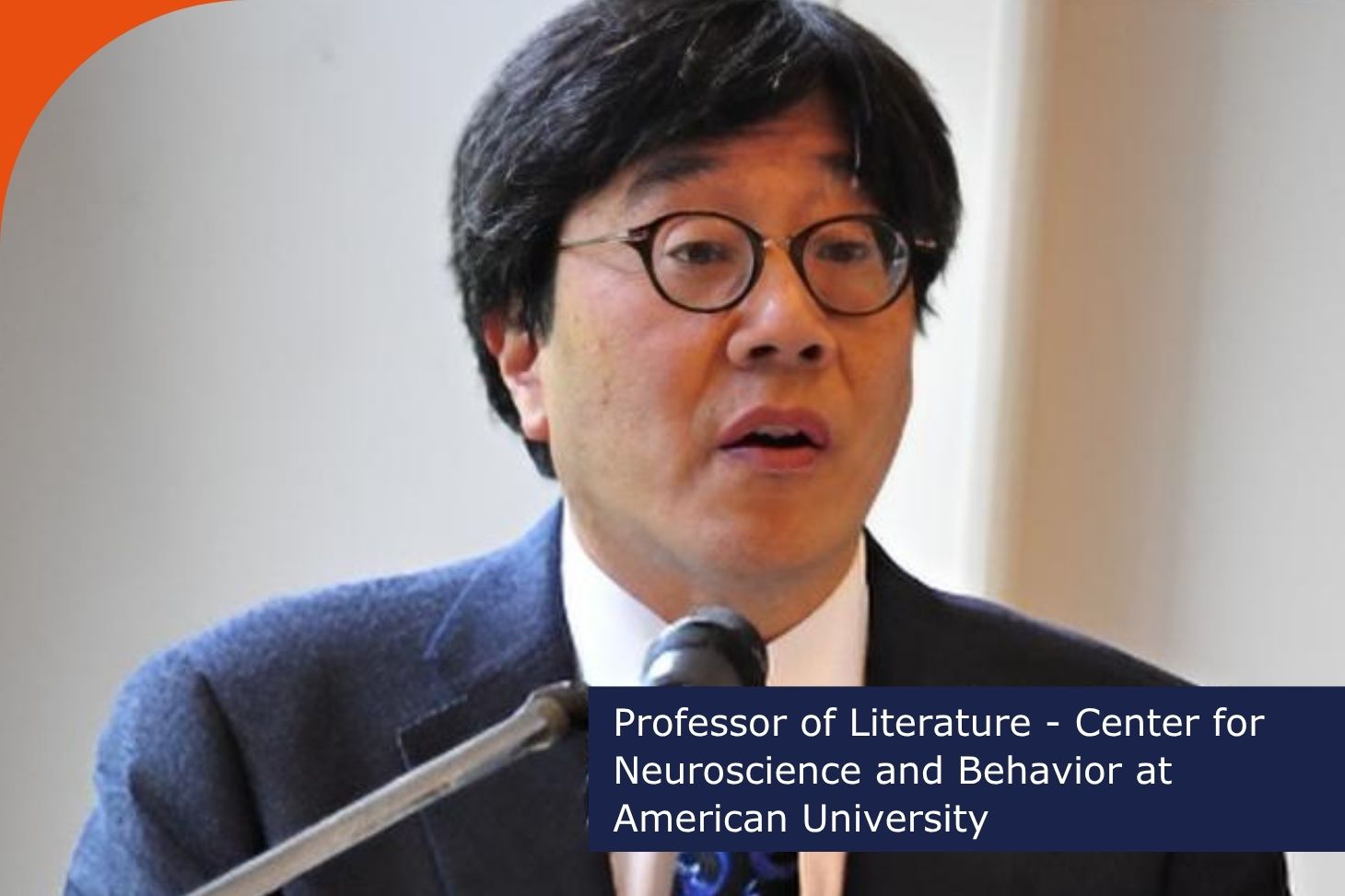
Richard C. Sha
Professor of Literature, Affiliate Professor of Philosophy, and Affiliate of the Center for Neuroscience and Behavior at American University in Washington, DC, is a noted scholar of European Romanticism and for his work relating literature to the history and philosophy of science, medicine, and sexuality. His Imagination and Science in Romanticism (Johns Hopkins UP, 2018) won the Jean Pierre Barricelli Prize in 2018. In 2026, the Keats-Shelley Association of America recognized him as a Distinguished Scholar. He is also known for his work on affect theory, the emotions, and the relationship of the emotions to consciousness.
Project at the MaCI
This comparative study of models of emotion--spanning physiology, neuroscience, literature, sociology, psychology and philosophy--considers how emotion models make our emotional choices for us. For instance, Basic Emotion Theorist Paul Ekman argues that basic emotions are universal and "triggered;" he explains cultural differences in emotion as differences of display rules. Arlie Hochschild, a sociologist, by contrast, defines emotional labor as existing between what I feel and what I ought to feel, insisting on a gap between physiology and its meanings. Lisa Feldman Barrett, a neuroscientist, argues that we create emotions on the fly based on our emotion concepts. The stakes of these vast differences shape what kinds of interventions are possible, what we can do in the wake of our emotions, and our ethical responsibilities for dealing with our emotions. When an emotion is 'triggered,' much of the train has left the station. How emotions relate to and acquire meaning is also up for debate. That the science of emotions largely separates emotion from emotion regulation is part of the problem. Because emotions are a way of intuiting value, the stakes of getting them right could not be higher.
My book's title refers to Odysseus's decision to instruct his crew to lash him to the mast so that he can hear the sirens' calls but not be seduced by them. We can learn from Homer's cunning, but only if we learn how to prepare in advance. Making matters worse, whereas neuroscientists think that emotions last at most minutes, authors from Jane Austen through William Wordsworth to Han Kang suggest that emotions take a lifetime to learn how to manage. The timescale associated with emotions determines what kinds of control over them may be possible.
Emotion models differ on the degree to which emotions are necessarily reactive; the degree to which our emotions are automatic and/or cognitive; how to have healthy relations with our emotions; the proximity of emotions to actions; and the degree to which emotions should be about social harmony or individual pursuit. At a time of rampant polarization, seething hatred, our emotions and their models are doing our thinking for us, and it is high time we asked what we want our emotions to do, and it is also crucial for us to consider the limitations to automatic emotions. The philosopher Byung-Chul Han warns that the cultural devaluation of pain as weakness coupled with the demand to self-optimize compels us to avoid negative emotions, but negative emotions--those we find unpleasant--not only have the greatest capacity to foster meaningful change, but also make any happiness experienced more worthwhile.
'In Grenoble, I hope to learn from neuroscientists about how to develop emotional skills and how they consider the relationship between cognition and language. My plan is to incorporate what I learn and revise an article on emotion models for Emotion Review, as well as to publish short pieces that prepare my book for a wider audience. I will publish a piece on self care in an online journal, based on my work in the World Health Organization Archives, and another article for the United States National Institutes of Health Website. As I draft portions of my book, I plan to develop a proposal that I can submit to various publishers.'
Activities
Supported by the GATES project (Grenoble ATtractiveness and ExcellenceS), funded by the French government's Programme d'Investissement Avenir and implemented by ANR France 2030

- Imprimer
- Partager
- Partager sur Facebook
- Partager sur LinkedIn